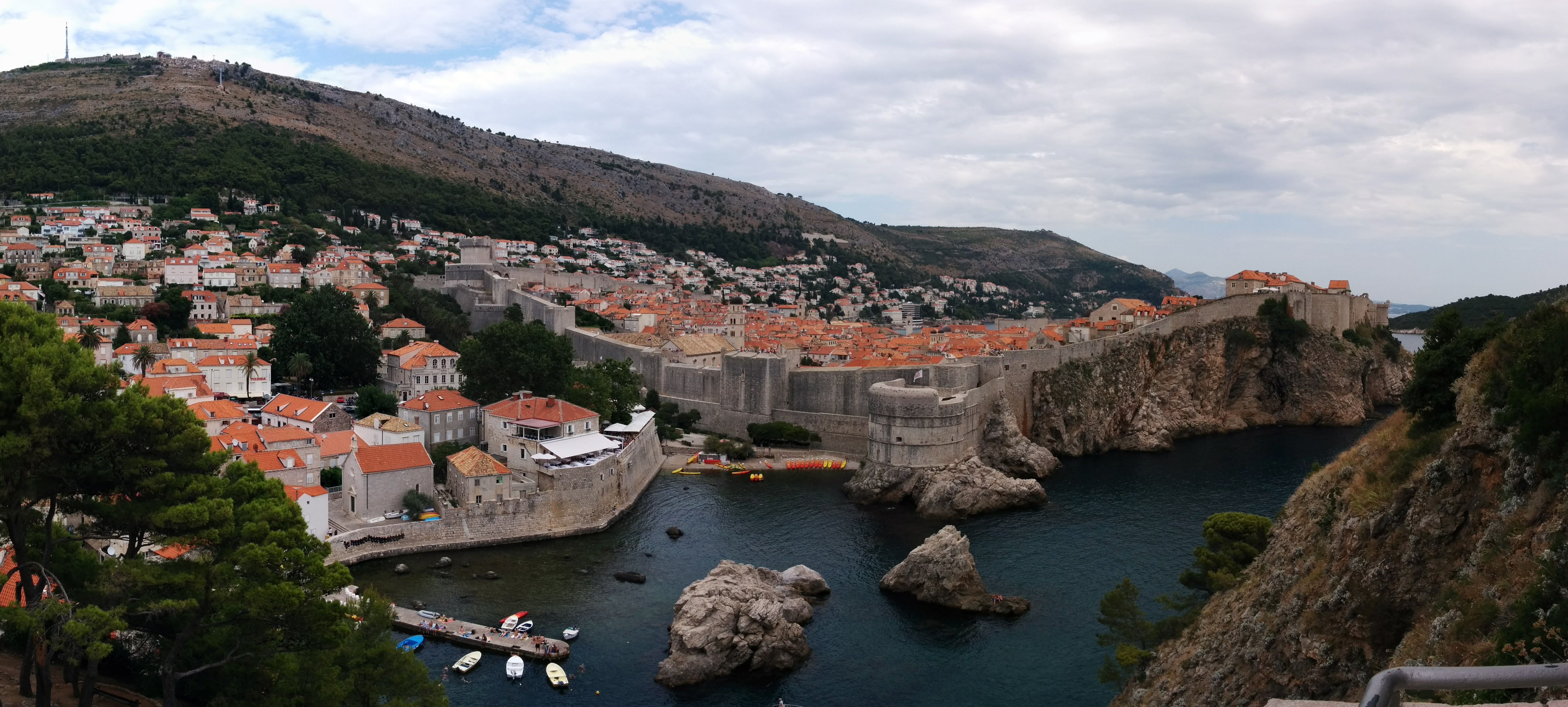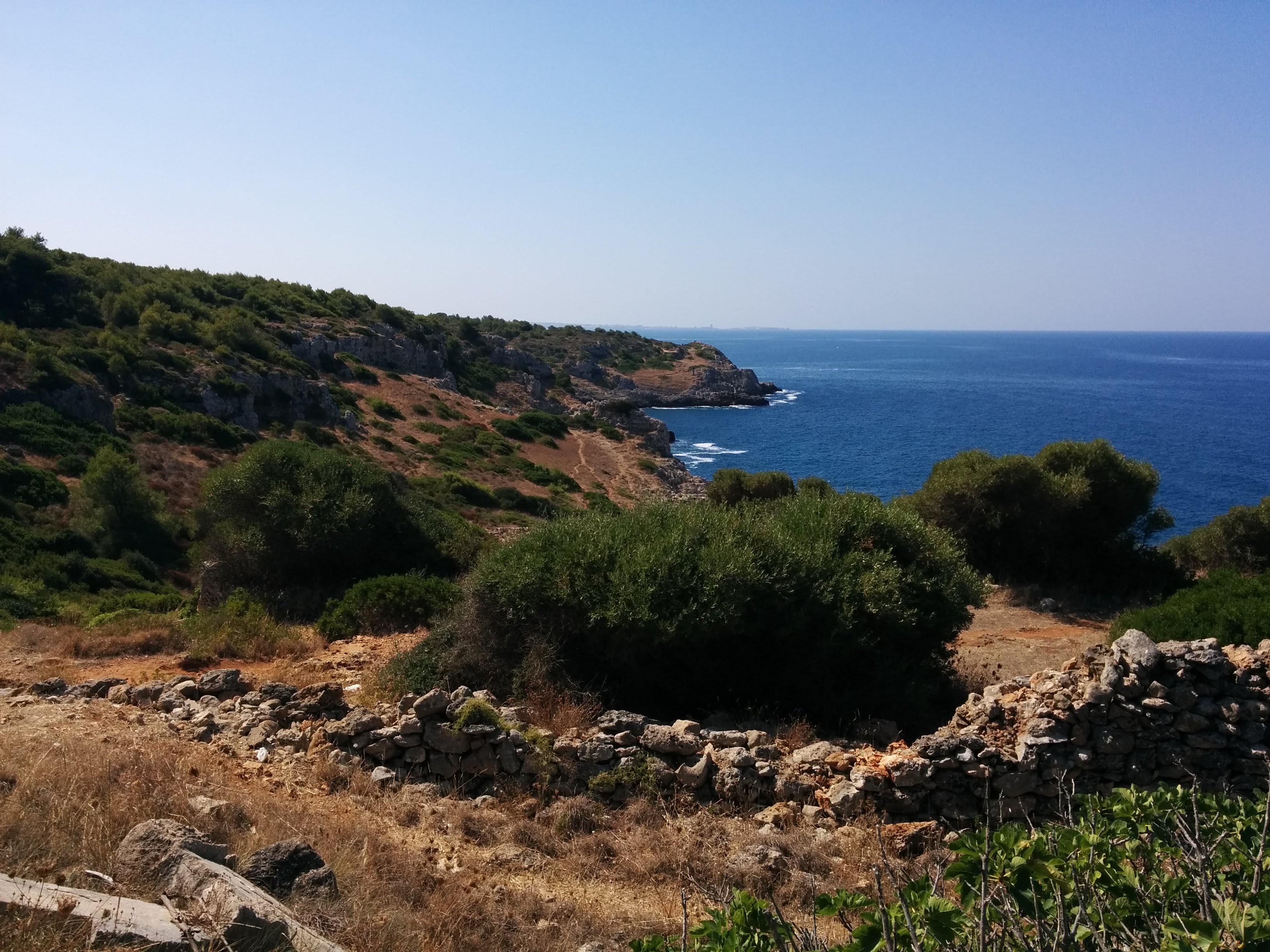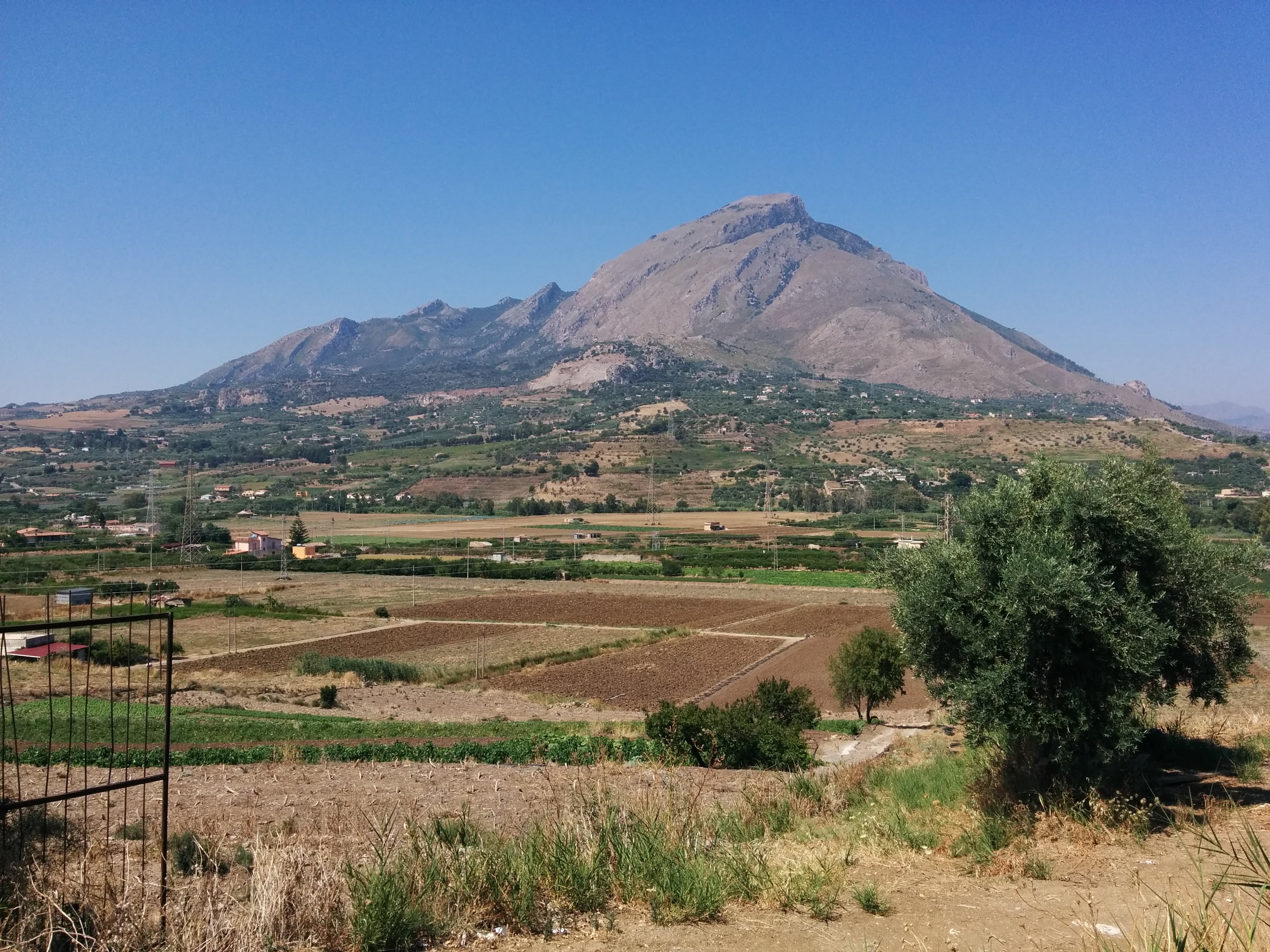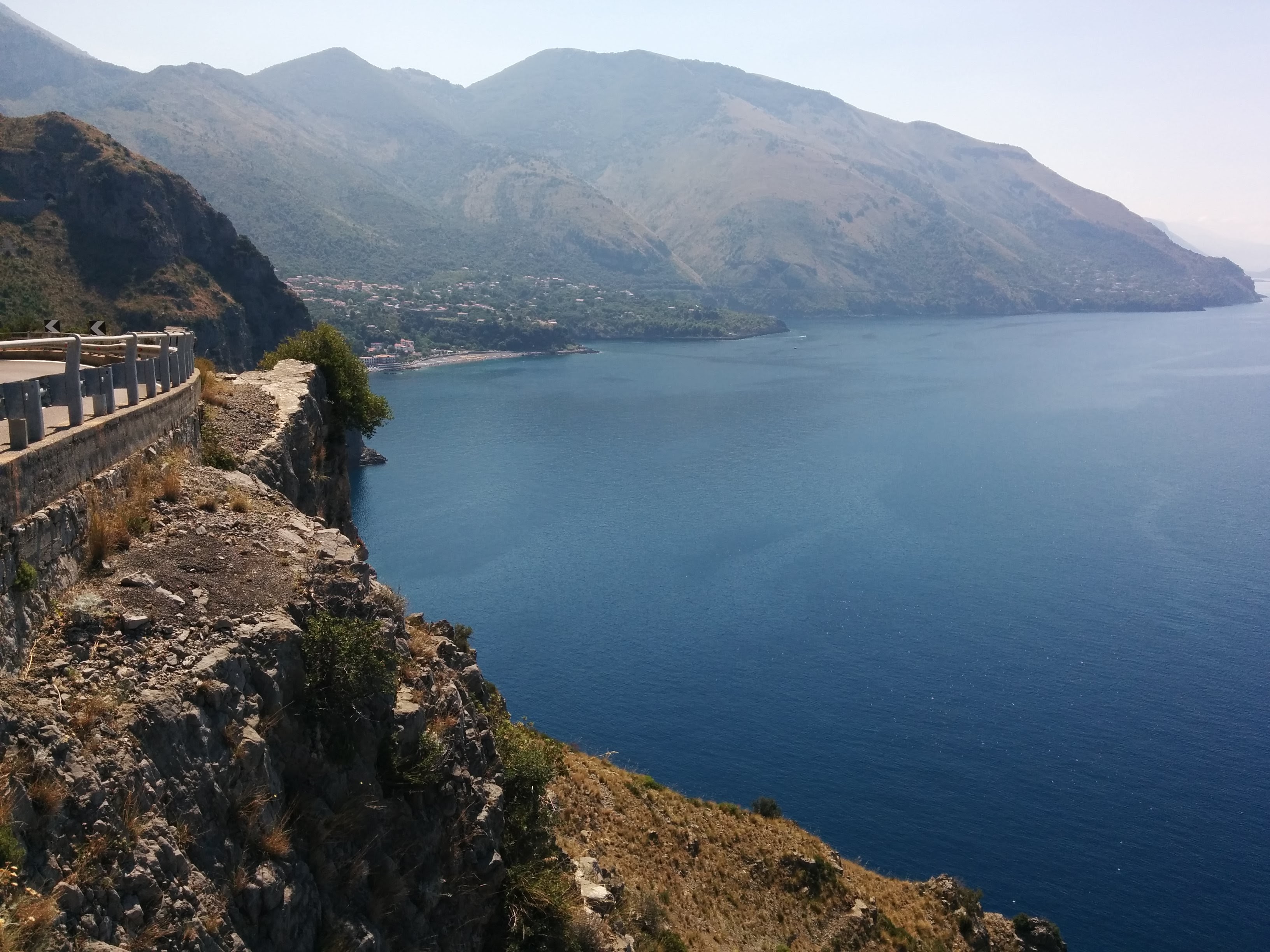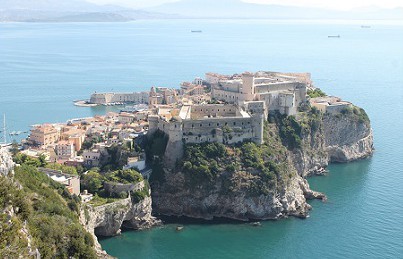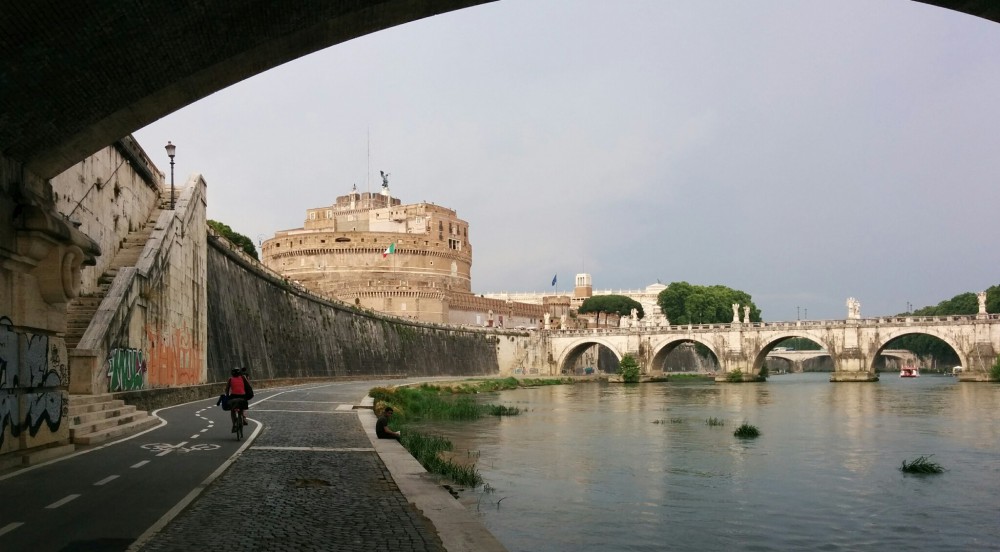
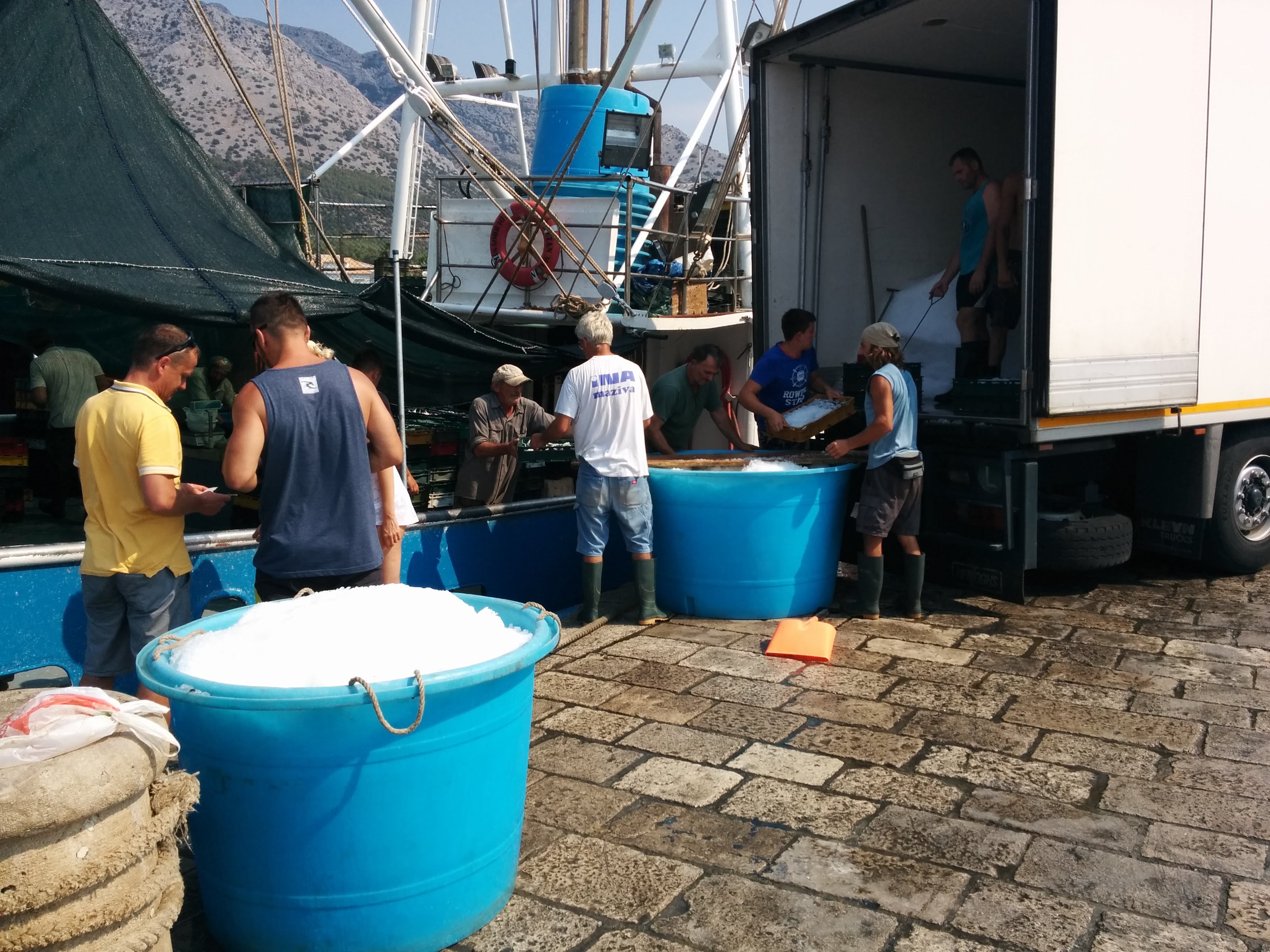
Thursday, 13 August (53.3 km). We took an early ferry from Korčula to Orebic. As we debarked, a carload of Polish tourists dickered with the crew of a fishing vessel trying to offload their catch into a waiting truck. I remember buying fish that fresh when we lived in Gaeta. Continue reading
Tag Archives: bicycle touring
Šolta to Korčula: Island-hopping in the sun
Tuesday, 4 August, 2015. (53.2 km) In the morning, we rode down to the ferry port and confirmed what we learned in Dubrovnik. The former Yugoslav national ferry line, now called Jadrolinja, simply will not take bicycles on its high-speed ferries. Continue reading
Riding ’round Ragusa (Dubrovnik to Split)
Friday, 31 July. The granite mountains towered over Dubrovnik as the ferry entered the bay. I tried to pick out the hotel where I stayed when the USS Springfield called in 1972, the first American warship to visit Yugoslavia in many years. New highways snaked through the hills, and new suburbs spread north and south of the city, making it hard to figure out where things used to be. Continue reading
The Salento: between two historic seas
Monday, 27 July.
After some wandering across the promontory south of Taranto, we found the coast road for Porto Cesareo (pronounced Porto Cesáreo locally). The cloudless blue skies continued, but a cool steady breeze off the Ionian softened the heat as we rolled past beaches and resorts. Continue reading
Trapani to Taormina: ruins to romance
Sunday, 19 July. To get our tour back on track, we needed to move faster. Sitting in Trapani
on the extreme western end of Sicily, we saw that the only way to take a train to the east coast involved going back to Palermo and skipping the three-star Greek temples on the south coast. So we took the train as far south as it would go: to Castelvetrano. From there, we made our way through town and down a well-paved provincial road to the ancient Greek city of Seliunte on the coast. Continue reading
Palermo to Trapani: history, art, and natural wonder
On Tuesday (14 July), we rode to Palermo.
At first, we enjoyed the Madonie Mountains to the south. Then the road became rather uninteresting, as one industrial suburb followed another. We probably should have jumped on a train, but by the time we realized that, we had passed the last station before the capital. Nevertheless, we were both glad to ride into this amazing city. I had always wanted to visit Palermo, and Cheryl was looking forward to showing me some of its beautiful sights. Continue reading
Milazzo to Cefalu: ‘twixt mountains and sea
Many firsts happened in 260 BC in Milazzo (Mylae). Here the Romans won their first naval victory after inventing the corvus.
Gaus Duilius turned the tide in the First Punic War here, then raced to relieve the siege of Segesta by the Carthaginian general Hamilcar. My boyhood imagination woke up reading the Wikipedia account, its dry prose bringing back the excitement I felt reading my fifth-grade history book. Continue reading
Calabria: jewel in the rough
On Friday (3 July 2015), we rolled 64 km through Basilicata and Calabria, but I thought that we were still heading for Reggio Calabria and around the toe. We would not spend too much of July in the far south. The days, while hot and sunny, had not really changed much from Rome. Continue reading
Salerno to Scario: beautiful Campania
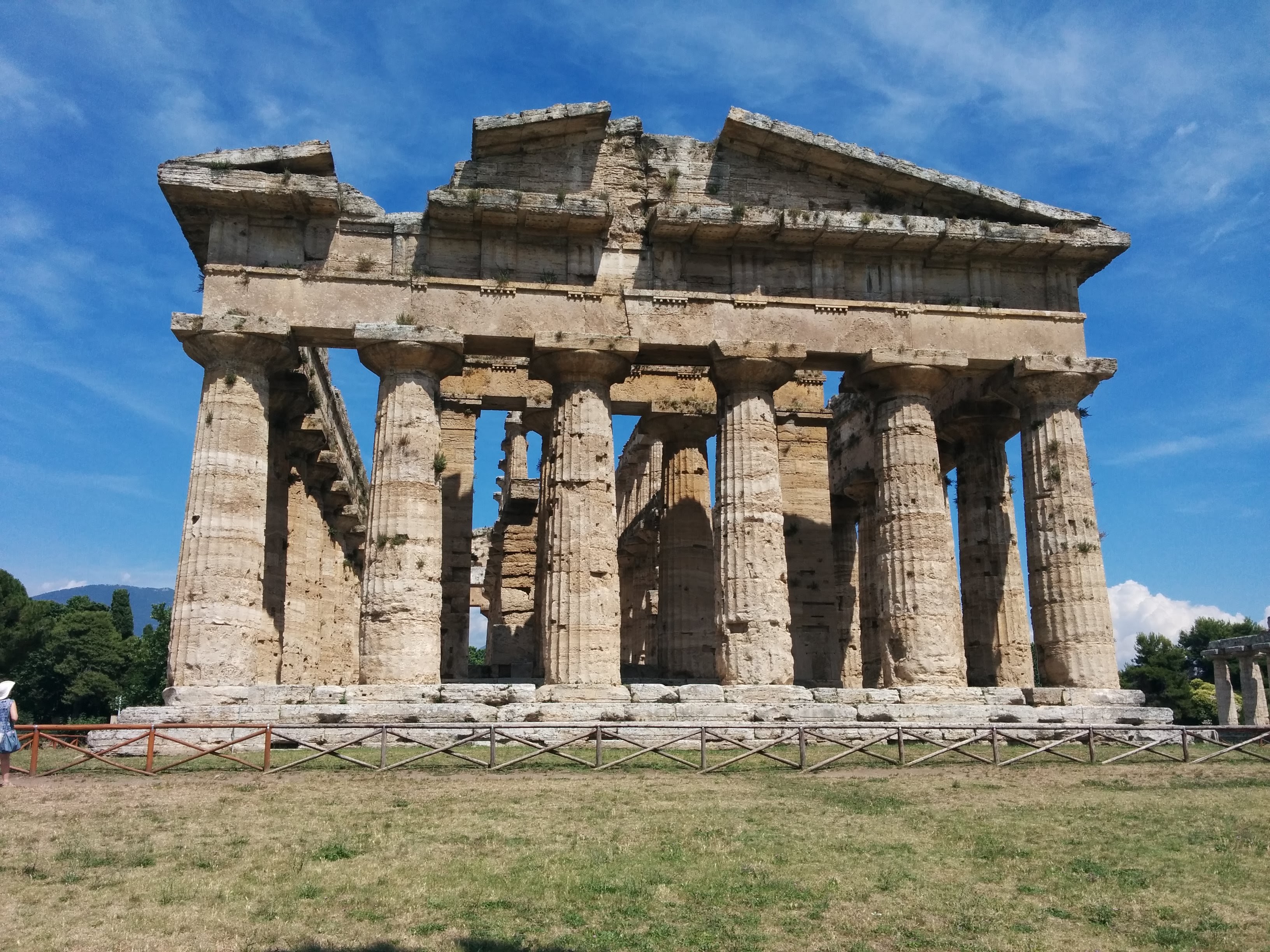
(Tuesday, 30 June 2015). The train took us from Salerno to the next bucket list stop: Paestum.
Cheryl had toured the site, but I had not, though I had wanted to since my teen years. The marvel of these ancient Greek temples and towns stunned me. I could not even picture them with their decorative façades and liturgical accoutrements in place. The sheer size of the pieces made me wonder how the ancient Greeks could build so many massive structures in so many places. Before the tour was over, I would learn how. Continue reading
Gaeta to Salerno: a study in contrasts
The first full day in Gaeta, Cheryl hiked through the historic center and up to the top of the Monte Orlando with her camera. There is a large park there, with the tomb of Lucius Mugnacius Planco (22 BCE) and Bourbon fortifications. The Montagna Spaccata, where St. Benedict was a hermit for three years, is reputed to have split when Christ died on the cross. I wasn’t there when it happened, but it is an impressive crack in the rock. Continue reading